Ireland's ReWilding Projects
Real places. Real species. Right outside your door.
Something is stirring across the Irish landscape.
The Wild Project is where TTT tracks that story. Not conservation theory or distant policy. Real sites, real landscapes, real changes you can walk through with your dog beside you. From the ancient oak remnants of Kerry to the white-tailed eagles circling above Wicklow, from the pine martens spreading quietly through Connacht to the rivers being unsealed for salmon again, every county has a thread of wildness being pulled back into place.
Below you will find the projects, the organisations, and the places doing that work on the ground. Some you can visit. Some you can support. All of them are worth knowing about. The land is coming back to life. Get outside and walk with it.
Rediscover Nature

Reforest Nation
Founded in 2021 by two Irish university students with 5,000 trees and a handful of volunteers in Co. Louth, Reforest Nation has grown into one of Ireland's most active rewilding forces. They have now planted over one million native trees across the country Reforest Nation, making them the first Irish initiative to reach that milestone. They plant up to 27 certified native species including oak, birch, hazel, ash, and rowan, sourced entirely within Ireland. Reforest Nation Every tree planted comes with GPS coordinates and seasonal photo updates so supporters can track and even visit the forests they help create. As a not-for-profit social enterprise, every euro goes back into reforestation and biodiversity. No shareholders. No greenwashing. Reforest Nation You can plant a single tree, join as a monthly rewilding member, or apply to have native trees planted on your own land.
ReWild Wicklow
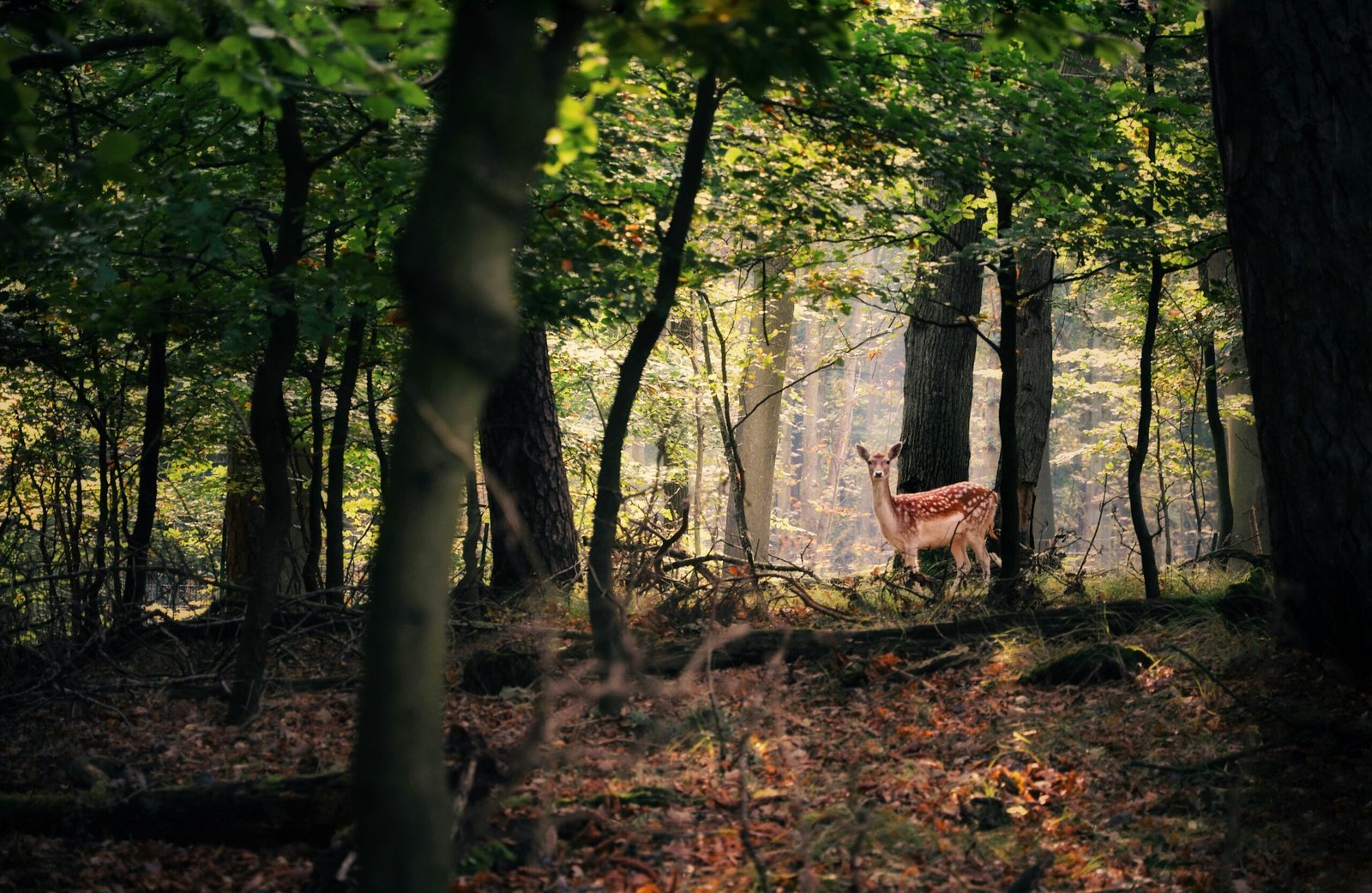
ReWild Wicklow A registered charity with a clear mission: to monitor, protect, enhance, and increase native habitats across County Wicklow so the land can support the biodiverse, balanced ecosystem it once held. Rewildwicklow Run almost entirely by volunteers, the organisation works with public and private landowners across the county on everything from tree planting and peatland restoration to riverbank repair and vegetation management. Each year they partner with UCD's Wildlife Department on Snapshot Europe, a continent-wide mammal monitoring project. Their annual camera trap survey across the Wicklow Mountains is the largest of its kind conducted in Ireland. Rewildwicklow Tree planting focuses on native species including oak, Scots pine, holly, willow, and rowan, with sites across Glendalough and the wider Wicklow uplands. Rewildwicklow If you walk the Wicklow trails, this is the organisation quietly doing the work that makes them wilder.
Dunsany Nature Reserve, Co. Meath
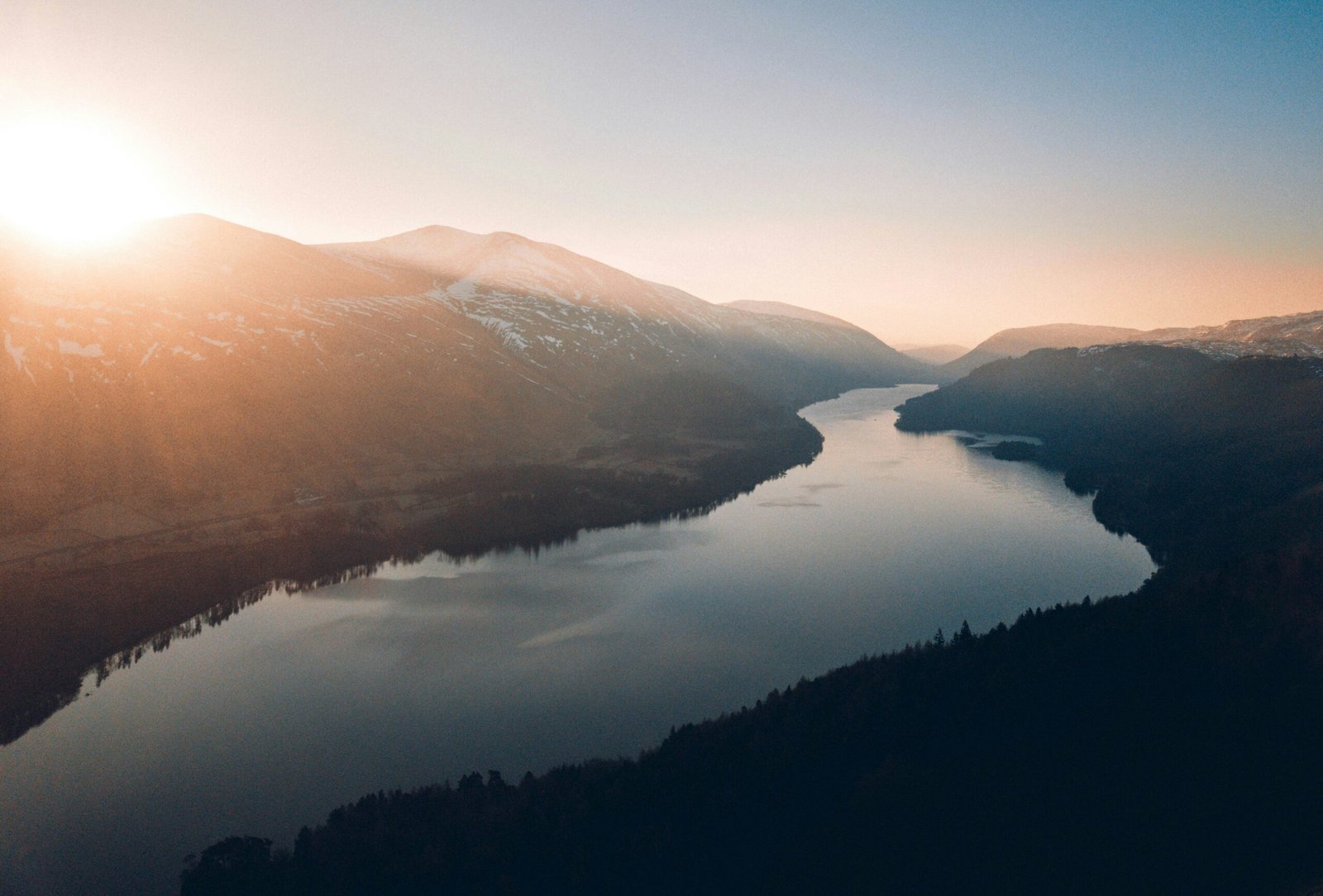
Dunsany Nature Reserve, Co. Meath Ireland's largest privately owned nature reserve and its only recognised large scale rewilding project. Farming for Nature The estate stretches across 1,600 acres between Kileen, Tara and Glane in County Meath, with 750 of those acres fully given over to rewilding since 2014. Meath Chronicle Randal Plunkett, the 21st Baron of Dunsany, inherited the castle and land in 2011, removed all livestock, and simply stepped back. What followed has been one of the most remarkable ecological recoveries on the island. Red kites, woodpeckers, barn owls, long-eared owls, pine martens, otters, red deer, and sparrowhawks have all returned to land that had lost them. Farming for Nature It is the only Irish rewilding project recognised by the European Rewilding Network Wikipedia and receives no state funding. The land does the work. Small group rewilding tours are available by arrangement for those who want to experience it firsthand. Tourism Ireland

Mossy Earth
A bootstrapped, fiercely independent social enterprise built by people who are genuinely passionate about bringing wild ecosystems back. Mossy Earth Mossy Earth operates a monthly membership model that funds hands-on rewilding and reforestation projects across Europe and beyond, with Ireland one of their active project areas. Their Irish work has focused on returning degraded farmland to native woodland, planting species including oak, birch, alder, Scots pine, rowan, hazel, and willow across a 60 hectare site. Mossy Earth Every project comes with detailed management plans, GPS coordinates, maps, and high quality imagery so members can follow exactly what is happening on the ground. Mossy Earth Beyond Ireland, they work across Scotland, Portugal, Romania, and Slovakia on everything from native woodland restoration to marine rewilding. If you want to support rewilding at a European scale from your phone in under a minute, this is where to start.
What's Overhead on the Irish Trail
White-Tailed Eagle
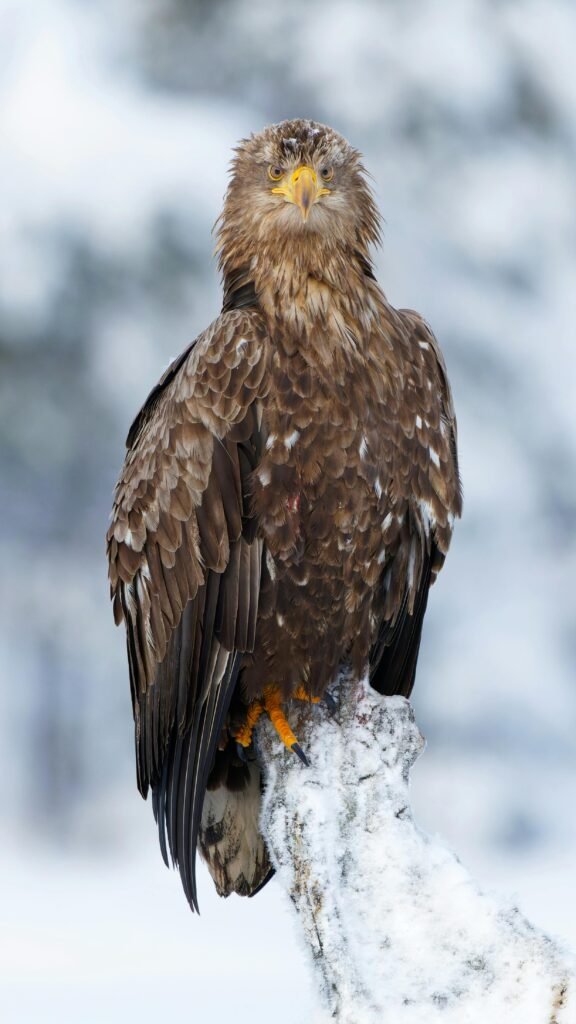
Ireland’s flagship rewilding success. Driven to extinction in the 19th century, 245 birds were released over 18 years in Killarney National Park. The population is now self-sustaining with 17 breeding pairs across Cork, Kerry, Clare, Galway, Tipperary and Donegal. Where to spot them: Cork, Kerry, Clare, Galway
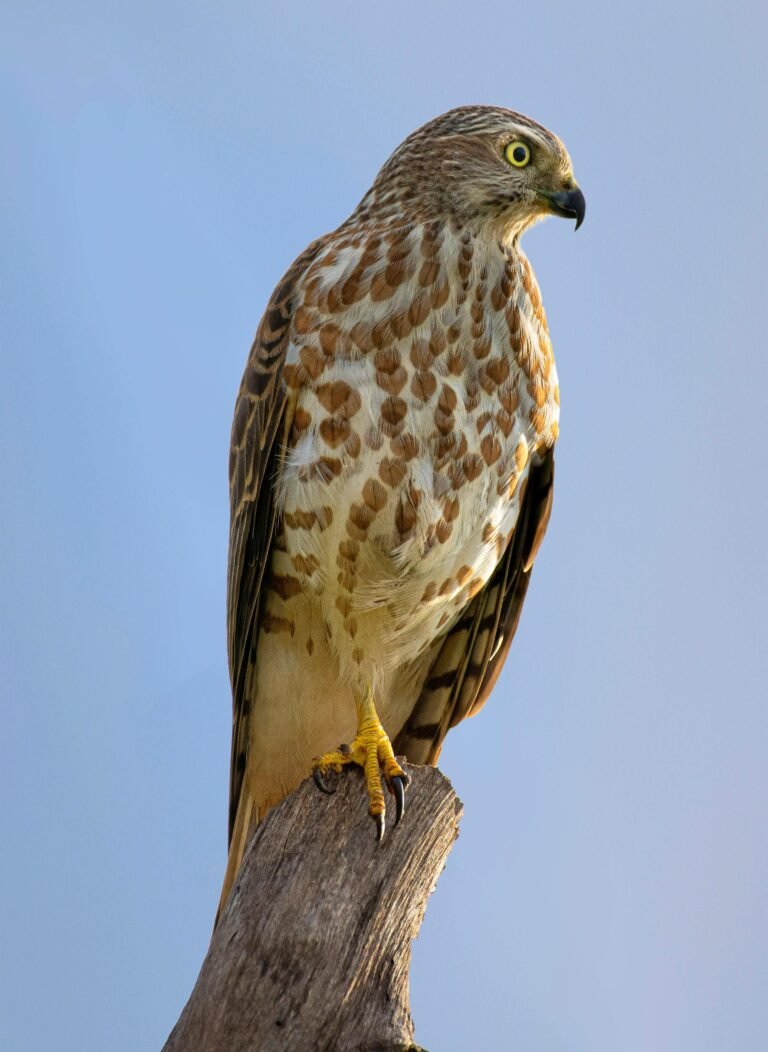
Hen Harrier
Reintroduced at Glenveagh in 2001. Slower to establish than the white-tailed eagle but a small wild population now exists in the northwest. Donegal
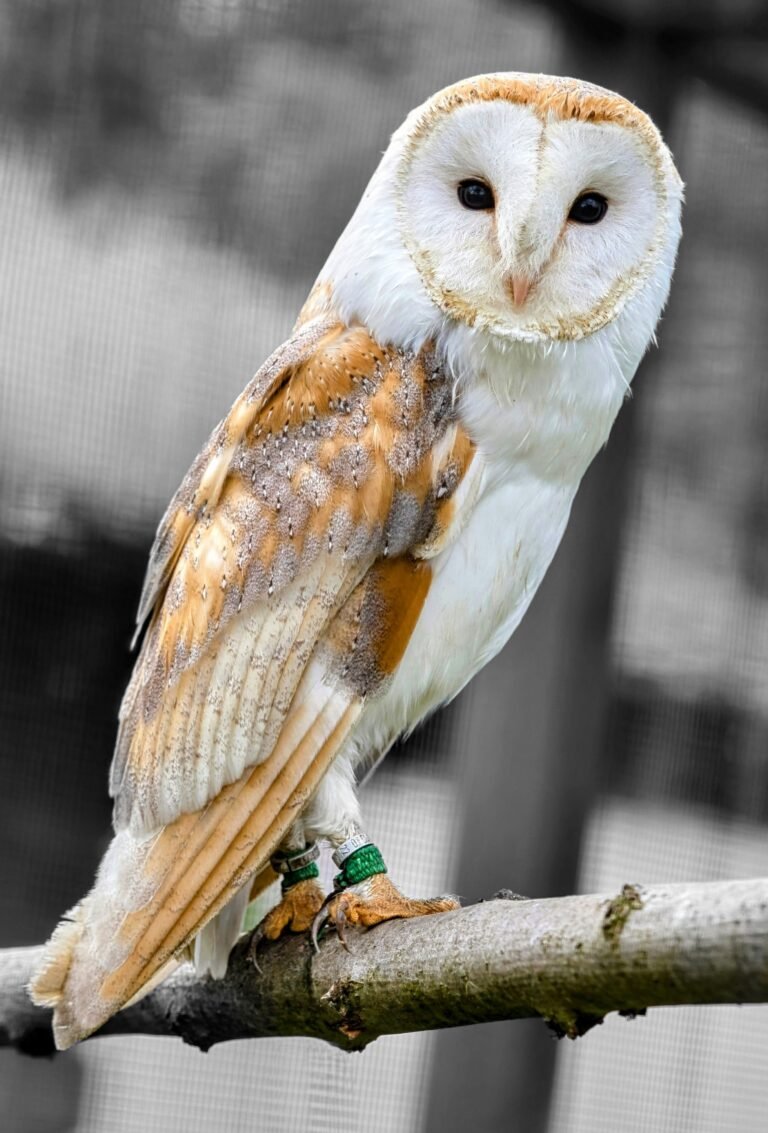
Barn Owl
One of Ireland’s most iconic night hunters, recovering quietly through nest box programmes and rewilded farmland margins. Nationwide, especially rural Munster and Leinster
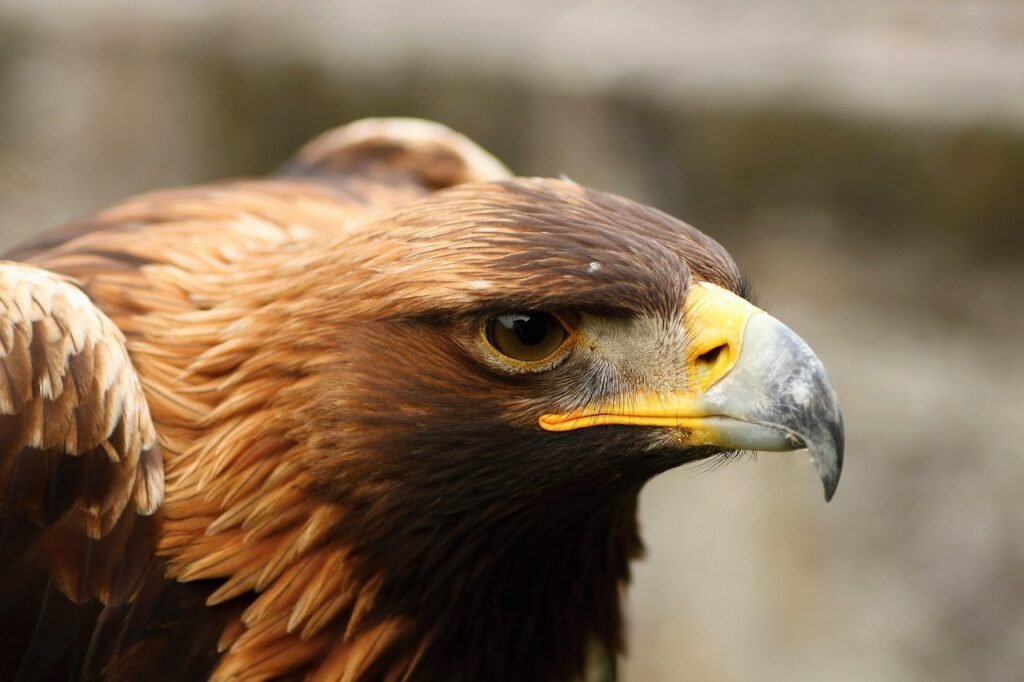
The Golden Eagle
once a common sight across Ireland’s uplands, hunted to extinction by the early twentieth century. Reintroduction began at Glenveagh National Park in Donegal in 2001, with birds brought from Scotland over several years in a programme run by the National Parks and Wildlife Service.
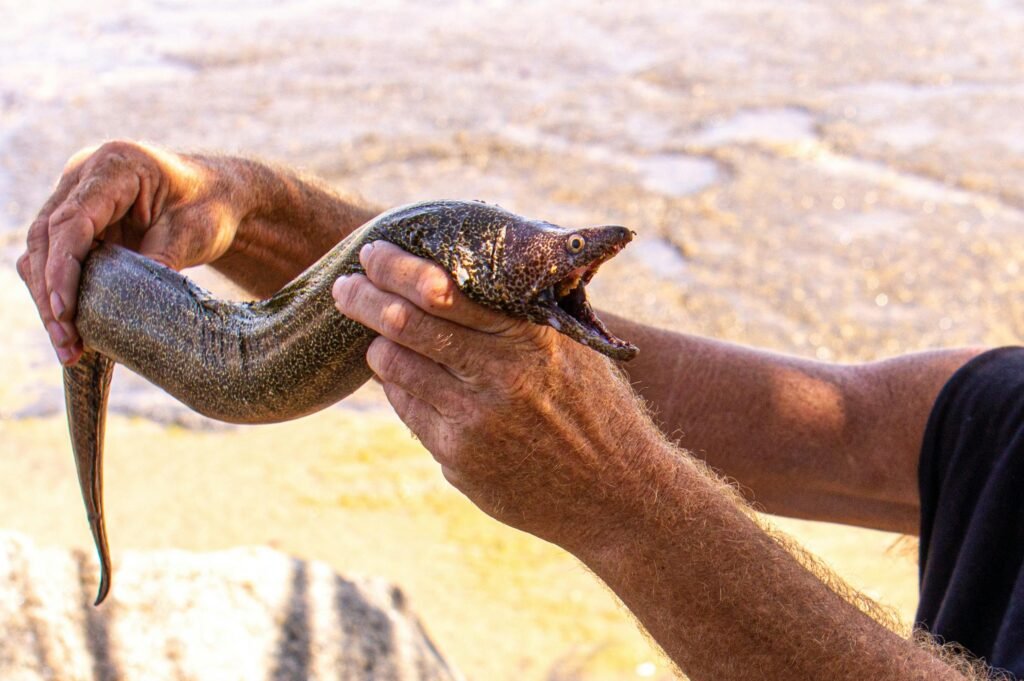
River Lamprey
An ancient, eel-like fish older than the dinosaurs and one of three lamprey species found in Irish rivers. Rarely seen but a key indicator of river health. Quietly recovering as barriers are removed and water quality improves.
Where to find them: Clean gravel-bedded rivers nationwide
Wild Water. Wild Fish.
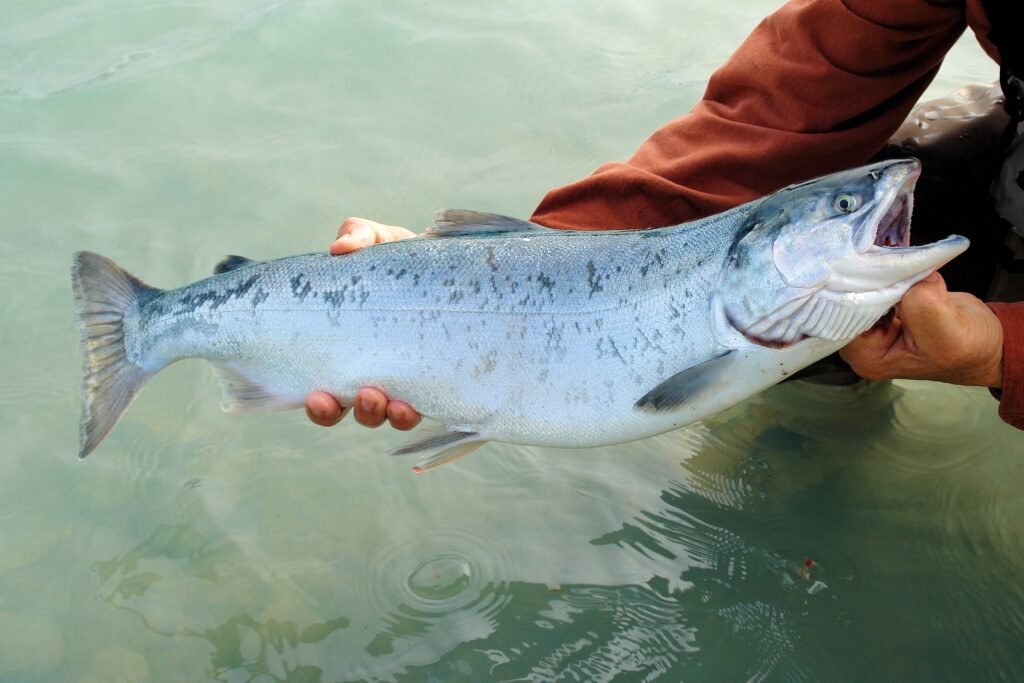
Atlantic Salmon
The great migratory fish of Irish rivers. Born in freshwater, it travels thousands of miles to the Atlantic and returns to the exact river it came from to spawn. Barrier removal programmes are reopening migration routes closed for generations, and salmon are moving upstream again.
Where to find them: Wicklow, Mayo, Kerry, Donegal
River Lamprey
An ancient, eel-like fish older than the dinosaurs and one of three lamprey species found in Irish rivers. Rarely seen but a key indicator of river health. Quietly recovering as barriers are removed and water quality improves.
Where to find them: Clean gravel-bedded rivers nationwide
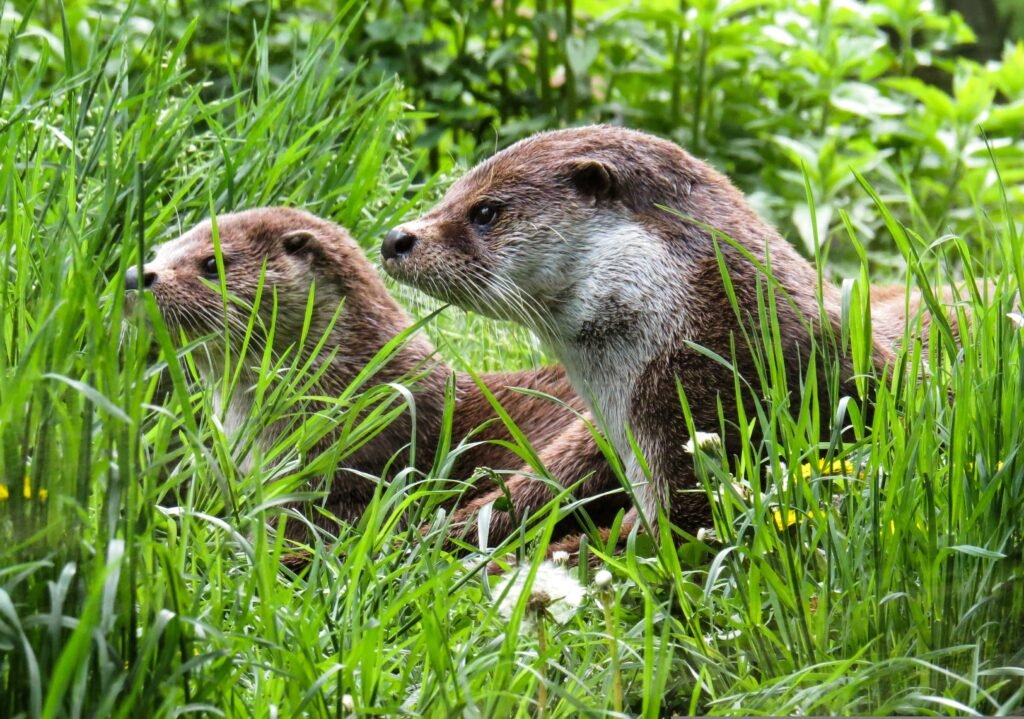
Otter
Not a fish but impossible to leave off this list. The European otter is one of Ireland’s greatest trail rewards and the country holds one of the healthiest otter populations in Europe. Spotted most often at dawn and dusk along clean rivers and coastal margins. If you see one, the water is in good shape.
Where to find them: Rivers, lakes and coastline nationwide
Where to find them: Wicklow, Mayo, Kerry, Donegal
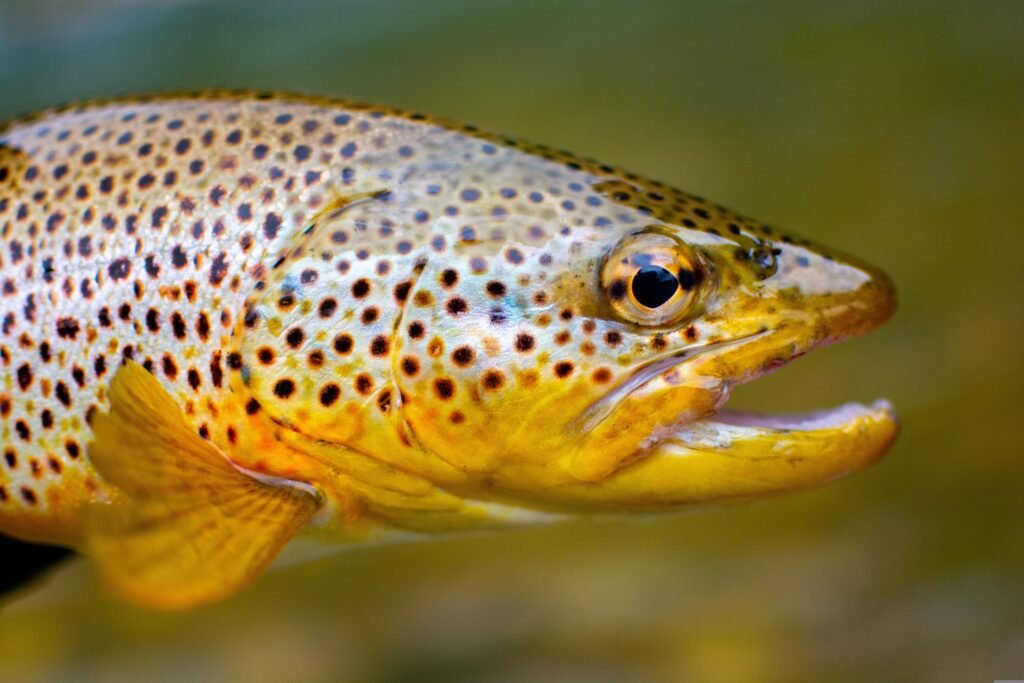
Brown Trout
Ireland’s most widespread freshwater fish and one of the clearest signs of clean, well-oxygenated water. Found in upland streams and loughs throughout the country. If brown trout are present, the river is healthy.
Where to find them: Upland streams and loughs nationwide